

Listen to this article:
Traveling sober takes more planning than most people expect, but a good checklist makes all the difference. This article covers what to pack, how to prepare for triggers, why downtime matters, how to handle social pressure, and how to set up your support system before you leave.
Why Winging It Does Not Work
Traveling in recovery is exciting and terrifying at the same time. There is this sense of freedom that comes with going somewhere new, but underneath it there is a quiet worry that being outside your routine could put your sobriety at risk. Creating a sober travel checklist is one of the smartest things you can do before you leave, not because you are fragile, but because preparation is what separates a great trip from a dangerous one.
Plan Before the Pressure Hits
The biggest mistake people make when traveling sober is assuming they will figure it out when they get there. That works when you are deciding where to eat dinner. It does not work when you are in a hotel room at midnight feeling triggered and realizing you have no plan. A checklist takes the guesswork out of the equation. It means you have already thought through the hard parts before you are in the middle of them, which is always easier than trying to problem solve when your stress is high and your defenses are down.
The Basics on Your Sober Travel Checklist
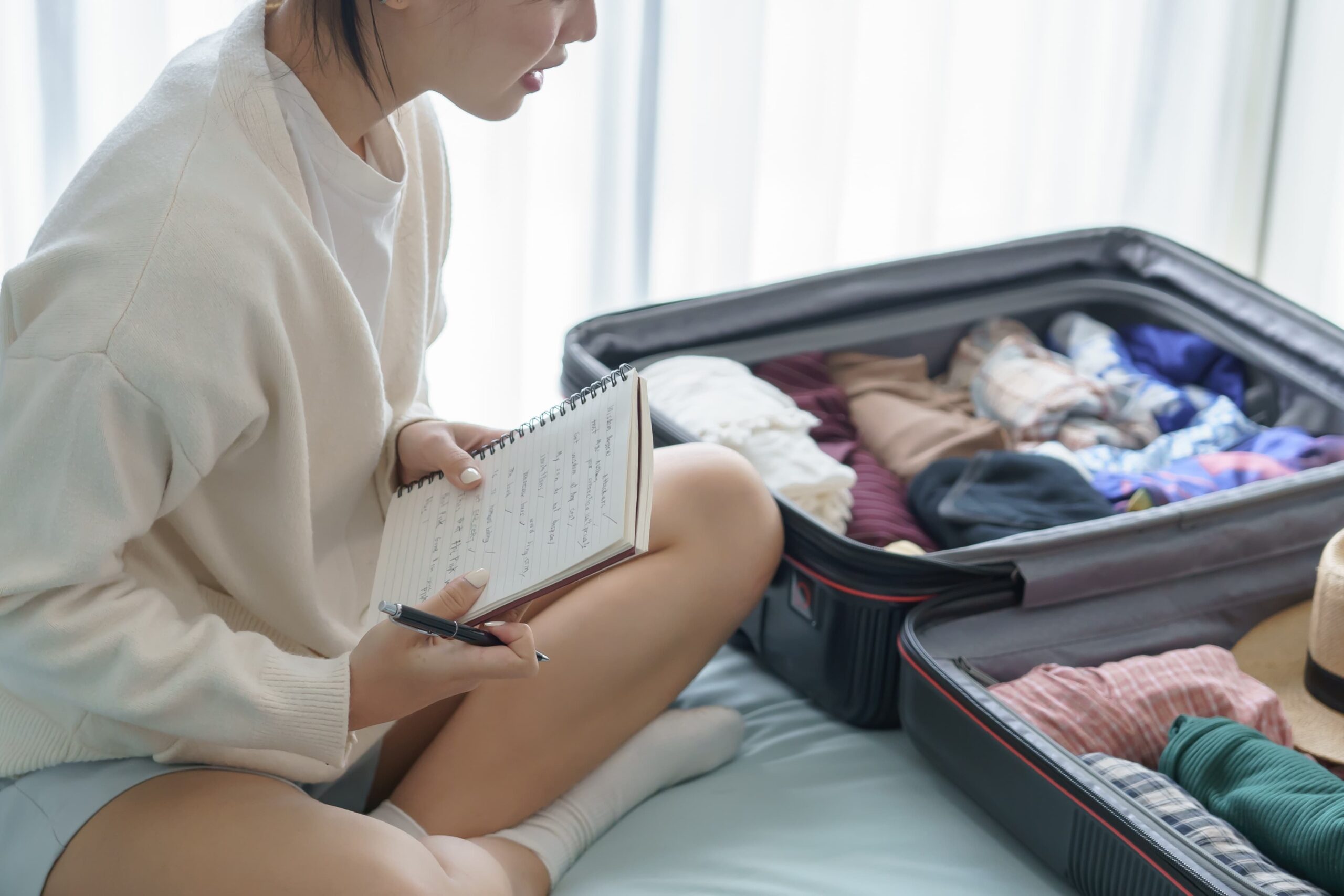
Start with the basics. Your pre-trip preparation should include:
- Pack all medications with extra supply in case of travel delays
- Schedule a therapy session before you leave and one for shortly after you return
- Let someone in your support system know your itinerary and check-in schedule
- Research your destination for potential triggers specific to that location
- Save emergency contacts and support line numbers in your phone
These are not dramatic precautions. They are the same kind of planning anyone would do for something that matters to them. Your sobriety matters. Plan for it like it does.
What Your Sober Travel Checklist Should Cover for Triggers
Know Your Destination’s Challenges
Your checklist should include a section on knowing your triggers before you arrive. Every destination has its own set of challenges. Beach vacations often come with a heavy drinking culture. Business trips mean hotel bars and networking events with open tabs. Visiting family can bring up old dynamics that used to push you toward using. Think through where you are going and what specific situations might test you. Then write down exactly what you will do when those situations come up. Not if. When.
Why a Sober Travel Checklist Includes Downtime Planning
One thing a lot of people forget to plan for is downtime. Unstructured time is one of the biggest risks during sober travel. When you are at home, your routine fills the gaps. On a trip, those gaps can stretch out and leave you alone with your thoughts in unfamiliar surroundings. Creating a sober travel checklist should include activities for those in-between moments. A book you have been meaning to read. A playlist that grounds you. A walking route you mapped out near your hotel. A journal. Something that gives your brain something to do besides spin.
Food, Sleep, and Staying Balanced
Food and sleep are on the checklist too, and they matter more than you think. Disrupted sleep and irregular eating throw your body off balance, which makes you more vulnerable to cravings. According to Mayo Clinic, unmanaged stress directly affects your body, mood, and behavior, and can lead to substance misuse when left unchecked, making it essential to maintain physical stability during periods of change. Try to stick as close to your normal eating and sleeping schedule as possible. Bring snacks so you are not caught hungry with no good options. If you are crossing time zones, plan for how the shift might affect your mood and energy.
Meetings, Support, and Social Situations
Set Up Your Support Before You Leave
Meetings and support access deserve their own section on the checklist. Before you leave:
- Look up meeting locations near where you are staying and save addresses and times
- Find online meeting options you can attend from your hotel room
- Download a recovery app if you do not already have one
- Have at least two phone numbers of people you can call if things get hard
You are not being dramatic by preparing this way. You are being strategic.
Your Sober Travel Checklist for Social Situations
Handling the Pressure to Drink
Social situations while traveling are where most of the pressure lives. A dinner where everyone is ordering drinks. A tour guide handing out wine samples. A friend or travel companion who does not fully understand your recovery. Before you go, think about how you will handle these moments. Have a response ready for when someone offers you a drink. Something simple like “I am good with water” or “I do not drink” is enough. You do not need to explain your recovery to anyone who is not part of it.
Talk to Your Travel Companion First
If you are traveling with someone, have an honest conversation before the trip. Let them know what you need and what your boundaries are. Tell them what helps and what does not. If they are supportive, this conversation will make the trip better for both of you. If they are dismissive or annoyed, that is information worth having before you are stuck in a rental car with them for a week.
Preparation Is Protection
Creating a sober travel checklist is not about being rigid or fearful. It is about giving yourself the best possible chance of enjoying the trip without putting your recovery on the line. The people who travel well in sobriety are not the ones who wing it. They are the ones who planned ahead, packed their tools, and knew exactly what to do when the hard moments showed up. You have worked too hard to leave that to chance.
Vanity Wellness Center Can Help You Prepare for Life After Treatment
At Vanity Wellness Center, we equip you with the practical skills and coping strategies you need to navigate real-world challenges in sobriety. Our residential treatment program builds the foundation for lasting recovery, including the confidence to travel, socialize, and live fully without substances. Contact us today to take the next step.
Frequently Asked Questions
Yes, traveling in recovery is possible and can even be a positive experience when you plan ahead. The key is preparation. Having a sober travel checklist that covers your triggers, support access, social strategies, and daily basics like medication and sleep helps you stay protected while still enjoying the trip. The biggest risk is not traveling itself but going without a plan. People who prepare for the challenges ahead of time are far more likely to have a successful and sober trip.
Beyond your regular travel items, pack all medications with extra supply in case of delays. Bring a journal, a book, or other grounding activities for downtime. Save recovery meeting locations and online meeting links on your phone. Keep snacks with you so disrupted meal schedules do not leave you hungry and vulnerable. Have at least two emergency contact numbers for people in your support system who know you are traveling and can check in on you.
Have a simple response ready before the situation comes up. Phrases like "I am good with water" or "I do not drink" are clear and require no further explanation. You do not owe anyone a detailed account of your recovery. If you are traveling with someone, have an honest conversation before the trip about your boundaries and what kind of support you need. Planning your response in advance takes the pressure out of the moment and lets you enjoy social situations without anxiety.
Unstructured time is one of the biggest risks during travel in recovery. At home, your daily routine fills the gaps and keeps your brain occupied. On a trip, those gaps can stretch out and leave you alone with your thoughts in unfamiliar surroundings, which is when cravings tend to show up. Planning activities for in-between moments, such as a walking route near your hotel, a playlist, a book, or a journal, gives your brain something constructive to focus on instead of spinning into anxiety or craving territory.
Before you leave, search for in-person meetings near your destination and save the addresses and times in your phone. Most major recovery organizations have online meeting directories you can search by location. If in-person meetings are not available where you are going, many organizations offer virtual meetings you can attend from your hotel room. Download a recovery app before your trip so you always have access to support resources regardless of where you are.